

If you have ever felt foggy at work, low on motivation, or unable to string two clear thoughts together by 3 pm, you have probably wondered whether nootropics for focus could actually help. David Tomen has spent over a decade answering that question, and the answer is more nuanced than most supplement ads would have you believe.
How Nootropics for Focus and Clarity Actually Work
The word nootropic has a precise origin. In 1973, Romanian-born scientist Dr. Corneliu Giurgea coined it from the Greek words for “mind” and “to bend.” He also set strict criteria for what deserves the label: a substance must support cognition, improve memory, be non-toxic, and cause no significant side effects. That definition rules out Adderall, Ritalin, and Modafinil. Those are smart drugs, not nootropics. If you need a prescription to get it, it is a smart drug.
Nootropics, by contrast, are natural compounds you can buy at a health food store. Think amino acids like L-tyrosine, plant extracts like ashwagandha, and phospholipids like phosphatidylserine. They do not force your brain into a state. They supply raw materials your brain already needs but is probably not getting from food.
Why Your Brain Is Running on Empty
David makes a point that cuts through the supplement industry noise: nootropics are not hacks, they are supplements in the literal sense of the word. Your food supply no longer delivers what your brain requires.
One data point he cites stops people cold. It would take 25 apples today to deliver the same nutrition that one apple provided 25 years ago. Soil depletion, industrial harvesting, long transport chains, and cooking strip out most of what your cells need before the food ever reaches your fork. Add the fact that roughly 95% of Americans are estimated to use at least one supplement, and you start to see that people are not taking pills out of vanity. They are filling real gaps.
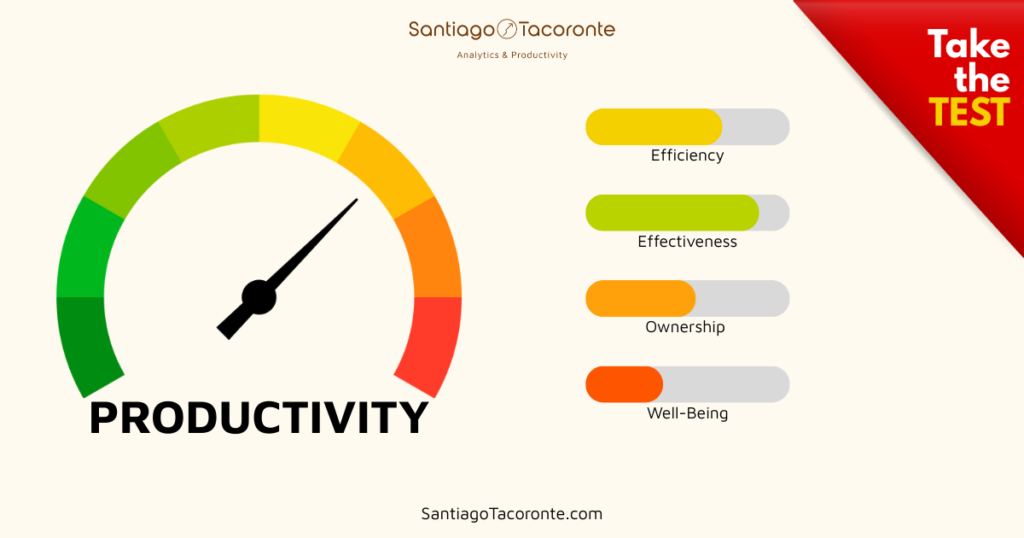
This connects directly to what the ProductiviTree 4 Productivity Vectors framework calls Well-being: the root system of performance. Sleep, nourishment, exercise, and calmness are not soft extras. When any one of them is compromised, every other vector suffers. Brain chemistry is the mechanism behind that collapse.
The Brain Chemistry Behind Focus and Motivation
David’s own story is the clearest illustration of what depleted brain chemistry looks like at work. He spent years in executive roles across 45 countries, always being told the same thing by his manager: “David, you need to learn how to focus.” He bought every book on productivity. Nothing changed. It was not a mindset problem. It was a neurochemistry problem.
A psychiatrist eventually diagnosed him with adult ADD and prescribed Ritalin. The effect, in David’s words: “somebody turned the lights on in my brain.” But within two years he grew tolerant to the medication. Rather than accept that, he dove into PubMed for clinical studies. He discovered that Ritalin worked by inhibiting dopamine reuptake, and that L-tyrosine was a precursor to dopamine synthesis. He added CDP choline and acetyl-L-carnitine to support acetylcholine production. Ritalin started working again, and he has never grown tolerant since.
That stack points to the two excitatory neurotransmitters that drive your work day: acetylcholine and dopamine. Acetylcholine governs signaling, focus, verbal fluidity, and working memory. Dopamine drives motivation, learning, reaction time, and the ability to enter a flow state. They work together. CDP choline supplies the raw material for acetylcholine. L-tyrosine feeds the dopamine pathway. Deficiency in either one shows up as exactly the kind of underperformance most professionals chalk up to stress or poor time management.

One more statistic worth sitting with: dopamine declines by approximately 10% per decade starting in your early 20s. By the time you reach 50, you are running on roughly 70% of the dopamine you had at 21. That decline is natural, but it is not inevitable to feel it. Supporting your dopamine pathway early is one of the most direct interventions available.
The Biggest Myths in the Nootropics Space
David fields the same misconception every day: someone wants a single pill that replaces their antidepressant or fixes their anxiety. He is direct about this. There is no one-pill solution. There never was.
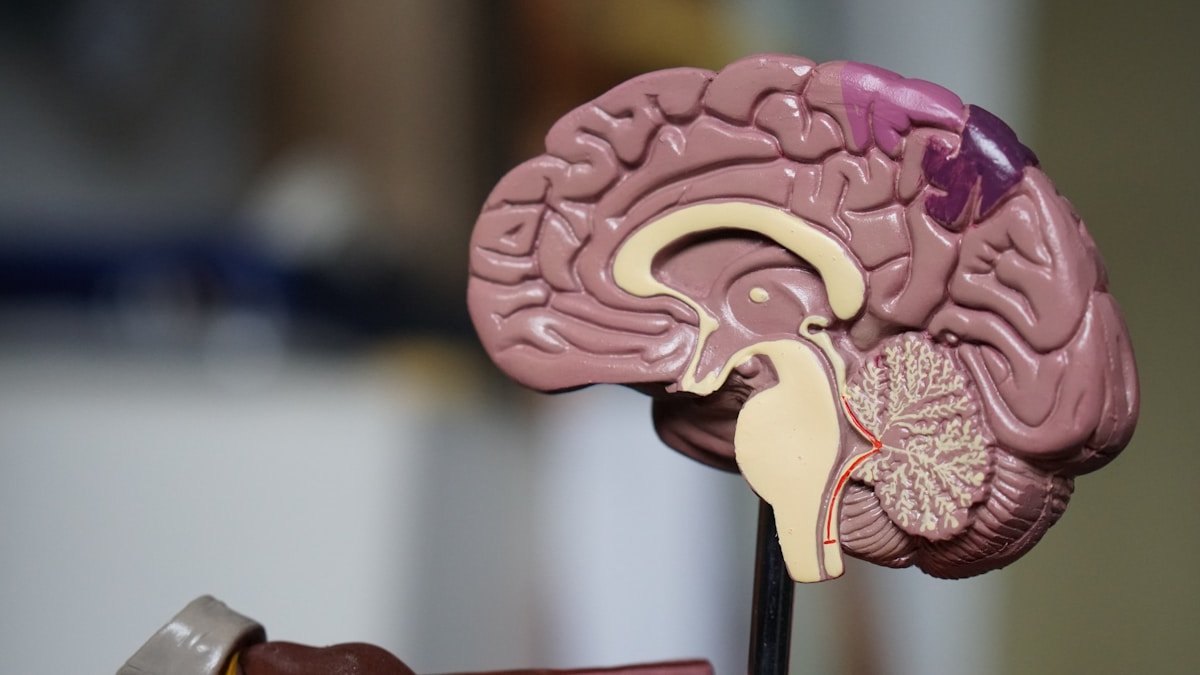
He uses brain cell membranes to make the case. Every neuron in your brain is enclosed in a bilayer membrane built from three phospholipids: DHA, phosphatidylserine, and phosphatidylcholine. When any of those three drops below optimal levels, the membrane stiffens. Nutrients cannot get into the cell efficiently. Toxins cannot exit. The result, short-term: slower reaction time, trouble recalling words mid-sentence, reading the same paragraph twice. Long-term: increased risk of anxiety, depression, and, over decades, conditions like Alzheimer’s.
Supporting those membranes requires 1,000 mg of DHA, 300 mg of phosphatidylserine, and a separate phosphatidylcholine source. Three different compounds, working together. No single supplement covers all three. That is not a flaw in the system. It reflects the actual complexity of how the brain maintains itself.
A second myth David confronts is the idea that if something worked brilliantly for someone else, it will work the same way for you. Deficiencies vary by individual, genetics, diet, and geography. What clears brain fog for one person may have no effect on another because the underlying gap is different. The starting point is always the same: identify what you are actually struggling with, and then research which compounds address that specific problem.
Where to Start if You Are New to This
David’s recommendation for a first step is not a complex stack. It is a high-quality bioactive multivitamin or B-complex. Research consistently shows that most adults are deficient in two or three critical nutrients, and those deficiencies vary by where you live, what you eat, and your genetics. A good multivitamin closes the most common gaps without requiring you to diagnose yourself.
Beyond that foundation, sleep is the single lifestyle habit David puts above any supplement. Memory consolidation, particularly long-term memory encoding, happens during REM sleep. Without consistent, sound sleep, no stack will perform at its ceiling. You have to get the physiology right before the chemistry can do its job. That is the Effectiveness vector from the 4 Vectors framework in action: no amount of cognitive optimization overrides a broken foundation.
If you want to go deeper, David’s website NootropicsExpert.com has ten years of research organized by symptom and compound. His book Head First runs to 962 pages and covers 120 supplements, with chapters dedicated to building stacks for specific conditions like ADHD, anxiety, and depression. His YouTube channel is searchable by symptom. The approach is the same in all three: start with what you are struggling with, and find the compounds that address it specifically.
You can take the free Productivity Assessment at santiagotacoronte.com to identify which of the 4 Vectors is most limiting your performance right now. Well-being issues often masquerade as time management or motivation problems until you look at the root cause.
Uncover Your Productivity Score Before It Costs You
Final Thoughts on Nootropics and Performance
David Tomen’s work sits at an intersection most productivity conversations avoid: the biological substrate of cognitive performance. You can have perfect systems, a tight calendar, and a clear set of priorities. If your dopamine is depleted, your acetylcholine is low, and your brain cell membranes are running below par, those systems will underperform.
The practical takeaway from this conversation is not that you need a complex supplement protocol. It is that you need to take the Well-being vector seriously before optimizing anything else. Start with sleep. Add a bioactive multivitamin. Then, if specific cognitive problems persist, research what compounds address those problems at the neurochemical level.
That is how David fixed his own brain, piece by piece, over two decades. And it is the same methodical approach he teaches to everyone who finds him on his website or YouTube channel.
Nootropics for Focus FAQs
What is the difference between a nootropic and a smart drug?
Nootropics are natural supplements for cognition that you can buy without a prescription, like L-tyrosine, CDP choline, or ashwagandha. Smart drugs like Adderall, Modafinil, or Ritalin require a prescription. The term nootropic has a specific scientific definition established in 1973: the compound must improve cognition, be non-toxic, and cause no significant side effects.
Which nootropics work best for focus at work?
CDP choline and acetyl-L-carnitine together support acetylcholine production, which governs focus and working memory. L-tyrosine supports the dopamine pathway, which drives motivation and learning. Both require cofactors such as the B vitamins, magnesium, and vitamin D to function properly. No single compound does all three jobs.
How long do nootropics take to work?
It depends on the compound and what deficiency you are addressing. Some people notice changes within a week of starting a good B-complex or magnesium. Compounds that support neurotransmitter synthesis can take two to four weeks to show consistent results. Fixing a deeper deficiency, like depleted brain cell membranes, can take several months of consistent supplementation.
Are nootropics safe to use every day?
The compounds that meet the original nootropic definition, as established by Dr. Giurgea, are by definition required to be non-toxic. Natural amino acids, phospholipids, and plant extracts used at evidence-based dosages have strong safety profiles. That said, quality varies across supplement brands, and individual responses differ. Always start with foundational supplements before moving to more targeted stacks.
What is the single best first step to improve mental clarity?
David Tomen’s answer is consistent: start with a high-quality bioactive multivitamin or B-complex. Most adults are deficient in multiple nutrients due to the modern food supply. Closing those gaps is more impactful and safer than jumping straight to targeted nootropics. After that, prioritize sleep above everything else.
See what your manual processes
are costing you in dollars.
Answer 7 questions. We calculate the dollar cost of each bottleneck in your workflow and show you which ones to fix first.