

4 Productivity Vectors > Well-being > Nourishment
You’re standing in front of a parole board. You’ve served your time. You’ve completed the required programs. Your lawyer is ready to make your case.
But there is one thing you cannot control. And it has nothing to do with your record.
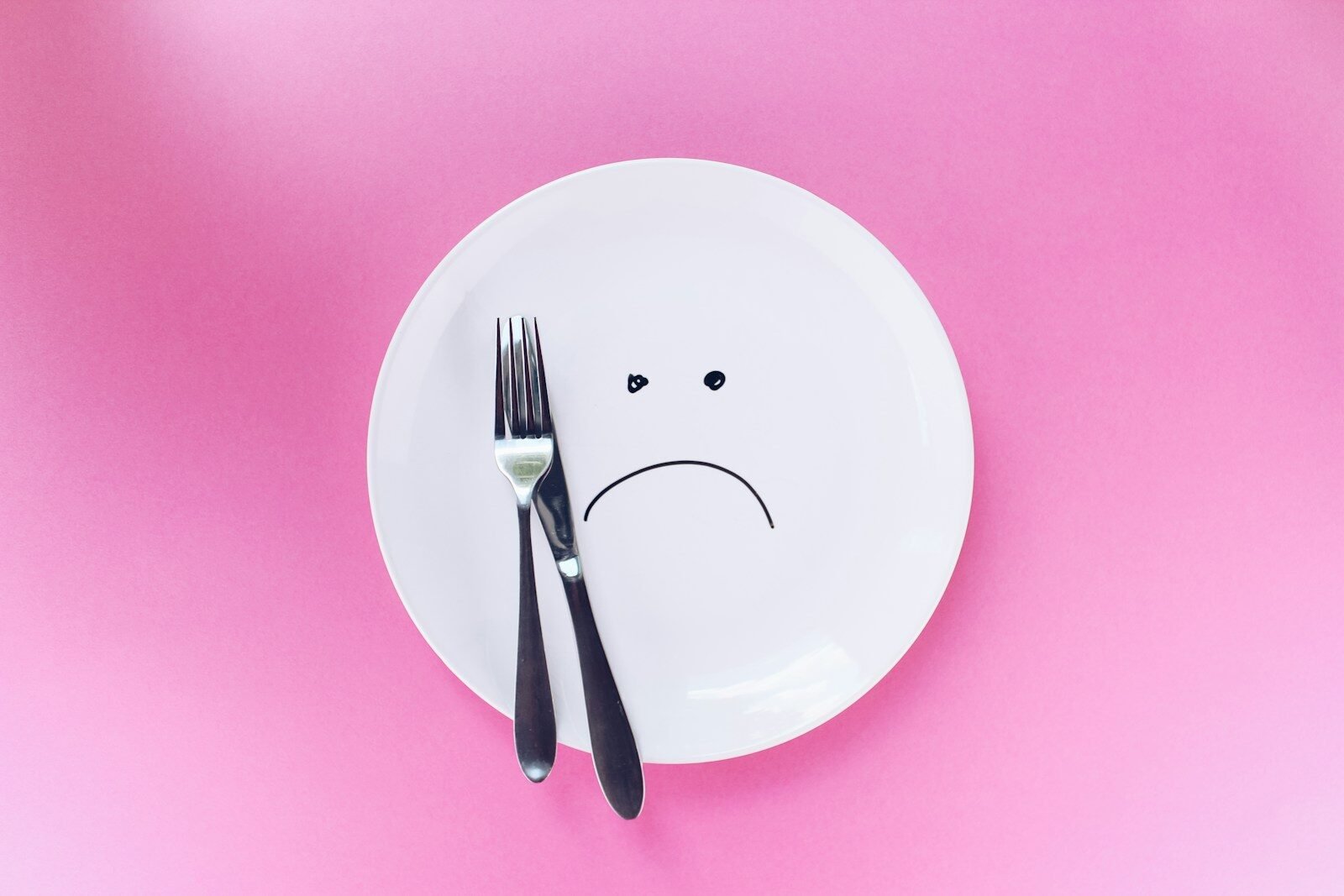
It is 11:47 a.m. The judge hasn’t eaten since breakfast. Your odds of walking out free? Close to zero. The connection between food and productivity is not some wellness trend. It is a biological reality, and it shapes your work performance every single day.
The Study That Should Make Every Knowledge Worker Pause
A widely cited 2011 study analyzed 1,112 parole board decisions made by experienced judges with over 20 years on the bench. These were seasoned, respected professionals.
What the researchers found was startling.
At the start of the morning, right after breakfast, judges approved parole roughly 65% of the time. However, as the hours passed and the next meal break approached, that approval rate dropped. By late morning, just before the snack break, it fell to nearly zero.
Then the judges ate. And right after the break? Back to 65%.
The same pattern repeated after lunch. High approval at the start, a steady decline, and almost no generosity right before the next break. The judges themselves had no idea this was happening. When asked, they could not predict it. Neither could the social workers or criminologists on the same boards.
Later research has questioned whether hunger alone explains the full pattern. Some academics have pointed to scheduling quirks and decision fatigue as contributing factors. Therefore, the science is more nuanced than the headlines suggested.
But the core observation still stands. Our physiological state shapes our decisions far more than we like to admit. And you do not need to be sitting on a parole board for that to matter.
You Are the Judge of Your Own Workday
Think about how many decisions you make on a typical Tuesday.
You approve budgets. You prioritize backlogs. You give feedback in one-on-ones. You respond to escalations, write strategies, and decide which fires to put out first. Every single one of those moments requires judgment, self-control, and the ability to think beyond the immediate situation.
All of it runs on glucose.
Your brain is roughly 2% of your body weight but consumes about 20% of your daily energy. When blood sugar drops, your brain does not politely wait for lunch. Instead, it starts conserving. It defaults to the easiest, safest, least effortful option available.
This is where food and productivity become inseparable. The fuel you provide your brain directly determines the quality of your output. Consequently, the relationship between blood sugar and decision making affects every call you make throughout your workday.
Research published in Psychological Science showed that people with lower blood glucose levels were more likely to choose smaller, immediate rewards over larger, delayed ones. In plain terms, low blood sugar makes you impatient, short-sighted, and reactive.
Think about that in the context of your afternoon meetings.
In the 4 Productivity Vectors methodology, the Well-being vector includes four elements: Nourishment, Sleep, Exercise, and Calmness. Of these four, Nourishment is the most immediate and the most controllable. You can change what you eat today, and you will feel the difference by this afternoon.
The Coffee Roller Coaster and Why It Wrecks Your Afternoon
Here is where most knowledge workers make things worse without realizing it.
You wake up. Skip breakfast or grab something light. Pour the first coffee. Feel great for about 90 minutes. Then the energy dips. So you pour another coffee. Maybe you grab a muffin from the office kitchen. Another spike. Another crash.
By 2 p.m. you are running on caffeine and willpower. That is basically running on fumes.

Coffee itself is not the villain. However, coffee and productivity have a complicated relationship when caffeine is consumed on an empty stomach. This combination, followed by a sugary snack, creates a cycle of glucose spikes and crashes that chips away at your cognitive sharpness throughout the entire day.
And the worst part? You do not notice the decline in real time. Just like those judges, you believe you are making the same quality decisions at 4 p.m. that you were making at 9 a.m.
You are not.
A meta-analysis on blood glucose and human decision making found that low blood glucose increases the tendency to make intuitive rather than deliberate decisions. In addition, it reduces willingness to work on tasks unrelated to food. So when your sugar is low, your brain literally redirects its resources away from strategic thinking.
If you are leading a team, this means your ability to make good leadership decisions depends partly on whether you ate properly before your leadership meeting. That is a humbling thought. But it is also an empowering one. Because it means the fix is within your reach.
The Hidden Enemy: Sugar in Your On-the-Go Routine
Let us talk about what is actually inside the things you consume when running between meetings.
A large cappuccino from most chains carries 12 to 15 grams of sugar from the milk alone. Add a flavored syrup and you are past 30 grams. That is more sugar than a chocolate bar.
A “healthy” granola bar? Often 15 to 20 grams of sugar. A fruit smoothie from the café downstairs? Easily 40 grams. A bottled iced tea that markets itself as “natural”? Frequently 25 grams or more.
These are not treats you are indulging in consciously. They are things you grab because you “didn’t have time for a real meal.” And each one creates a sugar crash that takes your focus, patience, and decision-making quality down with it.
Here is what that pattern looks like across a full workday:
Morning (8 a.m.): Coffee on an empty stomach. Small glucose bump from milk or sugar. Cortisol spike from caffeine. You feel sharp for about 90 minutes.
Mid-morning (10 a.m.): Blood sugar dips. You feel restless. You grab a muffin, a granola bar, or another coffee. Big spike. Quick crash.
Lunch (12:30 p.m.): Heavy carb-loaded meal. Massive glucose spike followed by the classic post-lunch slump around 2 p.m.
Afternoon (3 p.m.): Third coffee. Maybe a candy bar or a cookie someone left in the kitchen. Another spike-crash cycle. Your decision quality is now significantly below your morning baseline.
Late afternoon (5 p.m.): Exhausted. Irritable. Reaching for anything to get through the last hour.
This pattern is common. And it is completely avoidable.
How Food Affects Work Performance Across the 4 Vectors
Within the 4 Productivity Vectors framework, nourishment and productivity sit inside the Well-being vector alongside Sleep, Exercise, and Calmness. But nourishment has a ripple effect across all four vectors.
Efficiency drops when your energy crashes. Tasks that should take 20 minutes stretch to 45 because you cannot focus. Your email routine falls apart when your brain keeps drifting to the vending machine.
Effectiveness suffers when decisions are made on empty. Poor nourishment leads to reactive choices. You prioritize the wrong tasks. You default to saying yes when you should push back. Strategic thinking requires glucose, and if your tank is empty, you will default to status quo decisions. The same pattern the judges showed.
Ownership erodes with fatigue. When your body is running low, your motivation drops. Initiative shrinks. You stop challenging assumptions in meetings and start quietly agreeing with everything. Those are the same early warning signs of disengaged high performers that leaders often miss until it is too late.
Well-being obviously takes a direct hit. Chronic sugar spikes and crashes contribute to mood swings, irritability, and long-term health risks. None of these support the kind of sustained performance that great work requires.
If you want to understand how all four vectors connect and where your biggest gaps are, the free Productivity Assessment gives you a graded score in just five minutes.
This Is Not About Living Like a Monk
Let me be clear. I am not suggesting you meal-prep seven containers of steamed broccoli every Sunday and abandon everything enjoyable about food.
Nourishment and productivity are not about deprivation. They are about awareness. Specifically, they are about understanding that what you eat and when you eat directly influences your peaks and valleys of cognitive energy throughout the day.
You would not schedule your most important presentation right after an all-nighter. So why schedule it for the exact window when your blood sugar is crashing because you replaced breakfast with two espressos?
Life includes birthday cake, Friday beers, and the occasional croissant. The goal is not perfection. The goal is to stop accidentally sabotaging your most important work hours with food choices you made on autopilot.
Seven Practical Steps to Improve Food and Productivity This Week
These are not radical diet changes. They are small, specific adjustments that any knowledge worker can implement starting today.
1. Eat Before You Decide
If you have an important meeting, a tough conversation, or a strategy review, make sure you have eaten something with slow-release energy in the two hours before. Oatmeal, nuts, eggs, whole grains. Not a croissant. Not a sugary yogurt.
Your goal is to arrive at your highest-stakes moments with stable blood sugar, not riding a spike or recovering from a crash.
2. Break the Coffee-First Habit
Have water and food before your first coffee. Caffeine on an empty stomach amplifies cortisol spikes and accelerates the sugar roller coaster. Your coffee will still be there after breakfast.
This single change can smooth out your entire morning energy curve. Many people report feeling more sustained focus by simply pushing their first coffee back by 30 to 60 minutes and eating something first.
3. Audit Your Quick-Grab Foods
Check the sugar content of the snacks, drinks, and on-the-go meals you default to during busy days. If your go-to mid-morning snack has more than 10 grams of sugar and barely any protein or fiber, it is working against you.
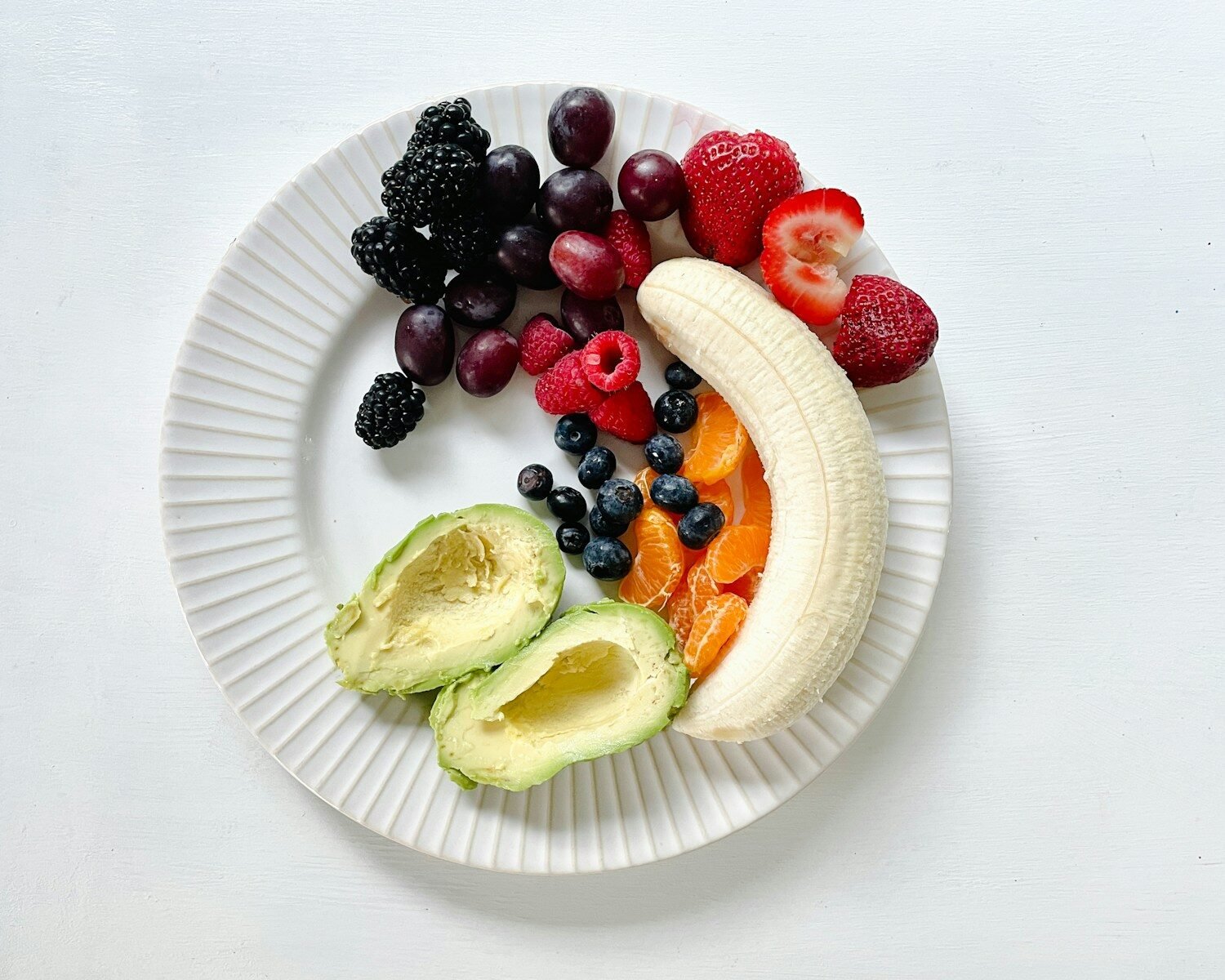
Better alternatives include mixed nuts, boiled eggs, cheese with whole-grain crackers, hummus with vegetables, or a small handful of dark chocolate (70% cacao or higher). These options release glucose slowly and provide sustained energy.
4. Match Meals to Your Energy Map
Notice when your energy peaks and dips throughout the day. Then structure your eating to support those peaks, not sabotage them.
A light, protein-rich snack 30 minutes before your typical afternoon slump is worth more than a third coffee. If you know you crash at 2:30 p.m., eat something with protein and healthy fat at 2 p.m. This is proactive nourishment, not reactive snacking.
5. Stop Glorifying “Powered Through Without Eating”
Skipping meals is not discipline. It is borrowing decision quality from your future self and paying interest. The cost shows up in worse judgment, shorter patience, and ideas that never quite land the way they should.
If your team culture celebrates working through lunch, that culture is actively undermining your collective performance. Teams that run operational efficiency audits often discover that some of their biggest hidden costs come from poor decisions made in the afternoon by exhausted people.
6. Watch the Liquid Calories
Drinks are the blind spot. A flavored latte, an energy drink, a smoothie, a bottle of juice. These can contain more sugar than a full dessert, and they do not register as “eating” in most people’s minds.
Start reading labels on the drinks you consume during work hours. You might be surprised to find that your daily beverages contain 60 to 80 grams of sugar before you have eaten any actual food.
7. Build a “Decision Fuel” Kit
Keep a small stash of low-sugar, high-protein snacks at your desk or in your bag. When the day goes sideways and lunch gets pushed to 3 p.m. (it happens to everyone), you have a backup that keeps your glucose steady instead of forcing you into the vending machine.
This is not about being perfect. It is about having a fallback that protects your work quality when the schedule breaks down.
Why Most Productivity Advice Ignores Food and Productivity Entirely
Most productivity content focuses on tools, habits, and time management techniques. Very few address the biological foundation that makes all those techniques possible.
You can have the best task management system in the world. You can block your calendar perfectly. You can master every prioritization framework ever invented. But if your blood sugar is crashing at 2 p.m., none of those systems will save your decision quality.
That is why food and productivity deserve a permanent spot in any serious productivity framework. It is also why the Well-being vector exists inside the 4 Productivity Vectors methodology. Without it, the other three vectors are built on an unstable foundation.
The Connection Between Nourishment and Team Productivity
This is not only a personal issue. If you lead a team, the food and productivity connection scales to every person on your roster.
Think about your team meetings. How many of them happen right before lunch? How many of them are scheduled across the 2 to 3 p.m. window when most people are in a post-lunch glucose crash?
If your most important decisions are made in meetings where half the room is running on fumes, you have a systemic problem. No amount of cross-functional leadership training will fix decisions that are biologically compromised.
Small team-level changes make a real difference. Provide healthy snacks in meeting rooms instead of cookies. Move critical decisions to morning hours when blood sugar is naturally more stable. Give people actual lunch breaks instead of back-to-back calendar slots.
The Bottom Line: Your Brain Runs on What You Feed It
Those judges were not bad at their jobs. They were not careless or lazy. They were experienced professionals who, like all of us, were subject to the basic biology of being human.
The difference between a good decision and a poor one sometimes comes down to something as simple as whether you ate.
In the 4 Productivity Vectors framework, Well-being is not a nice-to-have that sits outside “real work.” It is the foundation that makes everything else possible. And Nourishment is the most immediate, most controllable element within it.
You cannot always control the complexity of your decisions. But you can control whether your brain has the fuel it needs to make them well.
Do not be the hungry judge of your own workday.