It’s not the pay. It’s not the benefits. It’s not the office perks. The number one reason why high performers leave their teams is something far more subtle: they don’t feel like their work matters, and they don’t know what success looks like.
Every company I have left was never about the money. Either there was an exciting opportunity elsewhere (20%), or I got bored (80%). When high performers get bored, they leave. By “boredom,” I do not mean they lack work; rather, the work is repetitive and low-value.
Replacing a manager costs 50–200% of their annual salary, according to Gallup research. Lose two high performers in a year, and you’ve spent $300,000+ just on recruitment and onboarding. But the real cost is higher: lost institutional knowledge, team disruption, and momentum stalled.
And here’s what makes it worse: by the time you notice they’re thinking about leaving, they’re already interviewing elsewhere. The key to retention is understanding why high performers leave before they start looking.

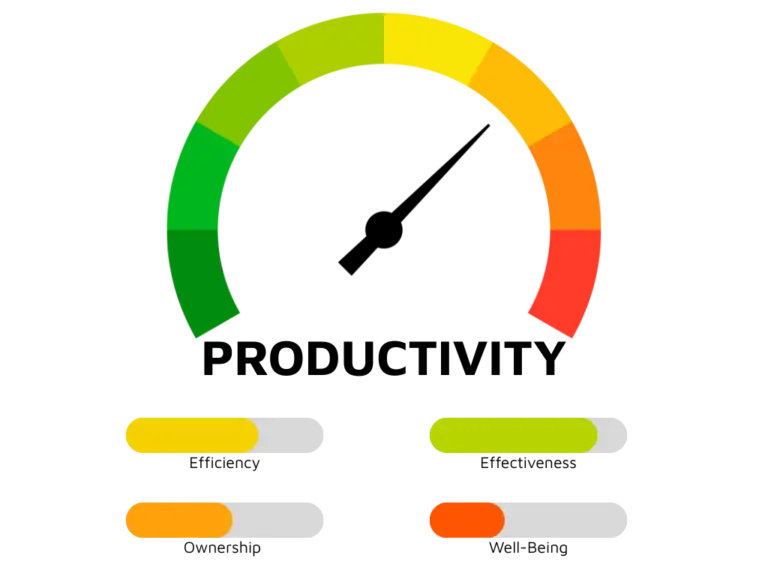
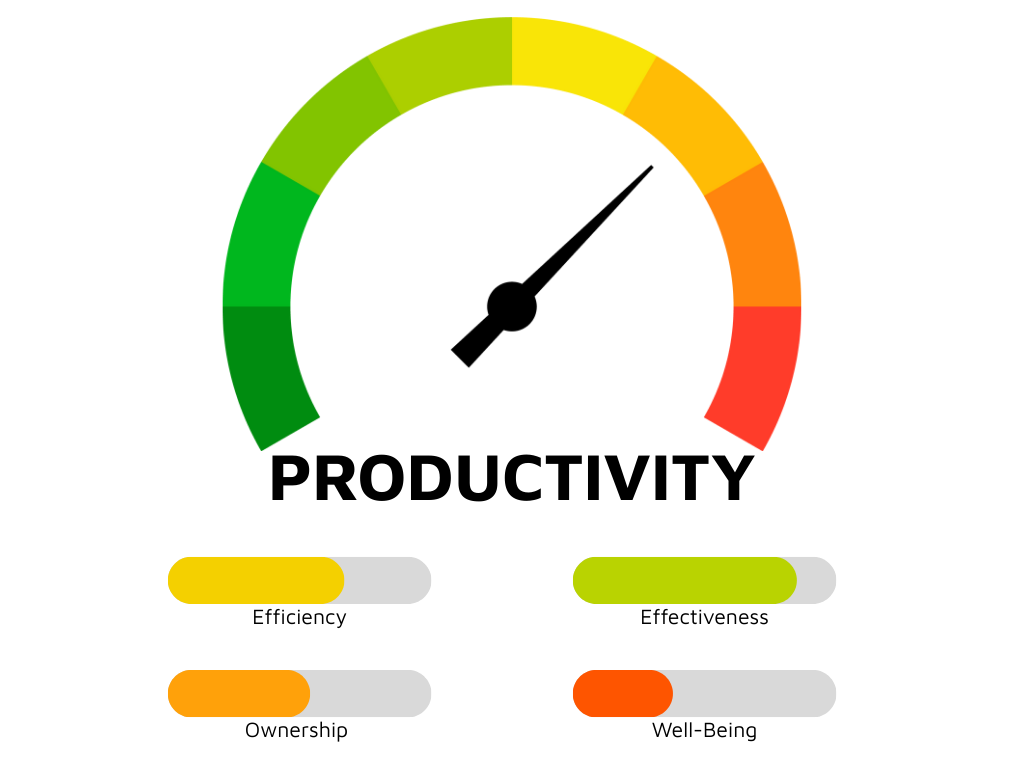
Caption: High performers don’t leave for money, they leave when they don’t feel their work matters.
The Real Reasons Why High Performers Leave Teams
It’s Not About Pay: Here’s Why Your Best People Are Actually Leaving
Reason 1: Lack of Clarity on What Matters
They don’t know what actually matters. They’re working on five projects, all marked urgent. However, they ship something and wonder if anyone noticed. As a result, they feel productive but unsure if they’re doing the right things.
High performers crave clarity. They want to know: What’s the priority? What does success look like? Am I winning or losing?
When they don’t have clear answers, they doubt whether they’re making a difference. And doubt is career poison for ambitious people.
Reason 2: No Autonomy to Make Decisions
Everything needs approval. In addition, everything requires a meeting. Therefore, they’re constantly waiting for permission.
High performers are used to moving fast and owning outcomes. When they’re stuck waiting for sign-offs, constantly re-justifying decisions, or getting second-guessed, they feel disempowered. Recognizing these signs of team burnout early is critical. That’s why high performers leave.

After a few months of “Let me check with my boss,” they start thinking: “Maybe I should work somewhere I can just decide.”
Reason 3: No Visibility on Impact
They ship something important. Then… silence. However, no one tells them whether it worked. Moreover, nobody celebrates it. Nobody connects their work to outcomes.
They start wondering: “Does this matter? Is anyone even using what I built?”
High performers need to see that their work drives results. Without that feedback loop, they lose motivation. This is a primary reason why high performers leave.
Reason 4: Burned Out from Overwork (With No Support)
Overloaded. Understaffed. No relief in sight. Meanwhile, their manager is too busy to notice they’re drowning.

High performers are often the ones who take on extra work. They try to cover gaps. They push themselves harder. But at some point, the tank runs dry.
When nobody steps in and says, “Let’s rebalance this,” they make a decision: “This company doesn’t value my well-being. Time to find somewhere that does.” Effective employee retention strategies must address workload before burnout sets in.
Reason 5: Feels Invisible
They don’t get feedback on how they’re doing. They don’t know if their manager thinks they’re doing great or just okay. They don’t see a growth path.
High performers need to know: Are you happy with my work? How can I grow? What’s next for me here?

Without these conversations, they assume the worst. “If I was really great, wouldn’t someone say something?” This is often when high performers leave.
Reason 6: No Development Opportunity
They’ve mastered their current role. But they don’t see a path to the next level. They’re plateauing.
High performers don’t stay in plateau roles. They move on. The fear that “there’s nowhere to go here” drives them out.
 Quick Tip: Bookmark this section. These six signals are your early warning system. When you spot two or more, it’s time to act.
6 Team Burnout Signals You Can’t Ignore
Does Your Organization Show These Warning Signs for Why High Performers Leave?
Sign 1: They’re Quiet in Meetings
They used to speak up. They had ideas. They challenged assumptions. However, they now sit there quietly, scribbling notes.
What’s happening: They’ve stopped believing their input matters. As a result, they’re disengaged. They’re conserving energy.
What to do: Schedule a 1-on-1. “I’ve noticed you’re quiet in meetings lately. What’s going on?” Ask without judgment. Listen.
Sign 2: They’re Saying Yes to Everything
No pushback. No boundaries. In fact, they’re overcommitting and not pushing back on unreasonable asks.
What’s happening: They’re trying to prove their value. Alternatively, they’ve given up on saying no because they’ve learned it doesn’t matter.
Red flag: This often precedes resignation. People in this state are already mentally checking out.
What to do: Give them permission to say no. “You have capacity limits. It’s okay to say no to things. Let’s be realistic about what you can take on.”
Sign 3: Their Outputs and Outcomes are Declining
Quality or quantity is dropping. Missing deadlines. In short, work that was once excellent is now just okay.
What’s happening: Overwhelmed, burnt out, no energy, lost motivation.
What to do: Don’t just push harder. Ask: “What’s in your way? How can I help? What would make this easier?”
Sign 4: They’re Updating Their LinkedIn
Connections spiking. Profile updated. New headline. They’re quietly putting themselves out there.

What’s happening: Exploring options because they’re unhappy. They’re thinking why high performers leave isn’t just a concept, it’s becoming real for them. Research shows that nearly half of highly engaged employees also experience burnout and are ready to leave their organizations.
Red flag: By the time you see this, they might already be interviewing.
What to do: Proactive 1-on-1. “How are you feeling about things here? Are you thinking about a change?” Be honest about whether you can address their concerns.
Sign 5: They’ve Stopped Asking for Growth
They used to ask about development, training, and stretch assignments. However, now they’re just doing their job.
What’s happening: Lost confidence or stopped believing growth is possible here.
What to do: Career conversation. “What would excite you about staying here? What would make you more engaged?” Listen carefully.
Sign 6: Frequent Absences (Sick Days, Mental Health Days)
Using all their PTO. “Not feeling well.” Taking unscheduled mental health days more often.
What’s happening: Burnout signal. Mental or physical exhaustion. They need escape.
What to do: Check in with empathy, not judgment. “Your well-being matters. How can we support you? Do you need to adjust your workload?”
Root Causes of Employee Burnout
Why Smart Leaders Miss This: Root Causes of Why High Performers Leave
Root Cause 1: No Clear Priorities
Everything is marked urgent. As a result, the team pulls in five directions. Therefore, they work hard but feel like they’re failing because there’s too much.
Result: They work hard but feel unsuccessful. Consequently, over time, they lose faith that anything they do matters.
This is why high performers leave, not because the work is hard, but because it’s unclear whether the hard work matters. Implementing clear team engagement tactics around priorities prevents this confusion.
Fix: Rank priorities ruthlessly. Top 3 per quarter. Say no to lower priorities. “Here’s what matters most. Here’s what doesn’t.” Learn more about prioritization frameworks at https://santiagotacoronte.com/free-productivity-resources/.
Root Cause 2: Manager Doesn’t Delegate Decisions
Every decision requires manager approval. Therefore, the team waits constantly. As a result, they feel disempowered.
Result: Disempowerment, slowness, frustration. They stop trying to own things.
Fix: Push decisions down. “This is yours to decide. You have good judgment. I trust you.”
Root Cause 3: No Support System
People don’t know how they’re doing. There’s no regular feedback. In addition, no career conversations. Consequently, they feel invisible.
Result: Can’t improve if you don’t know what to improve. Feel unappreciated.
Fix: Regular feedback (weekly), career conversations (quarterly), 1-on-1s that are protected time.
Root Cause 4: Chronic Overload
The team is understaffed. Meanwhile, the workload is increasing without additional resources. As a result, people are drowning.
Result: Burnout, health issues, resentment, and leaving. Burnout costs U.S. employers between $125 and $ 190 billion in healthcare expenses alone. This is the final stage before why high performers leave becomes a reality.
Fix: Rebalance workload. Hire. Or say no to work. This is a leader’s choice.
Root Cause 5: No Visibility on Impact
People don’t see how their work connects to outcomes. Instead, they ship things and hear nothing.
Result: Lose sense of purpose and meaning.
Fix: Connect work to outcomes. “Your work shipped. Here’s how customers are benefiting. Here’s the impact.”
Reflection Question: How many of these root causes exist in your team right now? Be honest with yourself, awareness is the first step to change.
 Reflection Question: How many of these root causes exist in your team right now? Be honest with yourself, awareness is the first step to change.
Employee Retention Strategies: Your 30-Day Action Plan to Prevent Why High Performers Leave
Reverse Team Burnout in 30 Days: A Tested Action Plan


Week 1: Diagnosis
Schedule 30-minute 1-on-1s with each direct report. Ask:
- What’s working? What’s not?
- Do you feel clear on priorities?
- Do you have autonomy to make decisions?
- Do you see how your work matters?
- Are you overwhelmed? What’s the load?
- Do you feel recognized for your contributions?
Listen more than you talk. Get honest feedback. You might not like what you hear, and that’s okay. That’s exactly what you need.
Goal: Understand the real state of your team.
Week 2: Clarity
Define your top 3 priorities for the next quarter. Communicate clearly:
- Here’s what matters most
- Here’s why it matters
- Here’s how your work connects
- Here’s what we’re saying no to
Make ownership clear: Who owns each priority? Who decides day-to-day? Remove ambiguity.
Goal: Everyone knows what matters and their role in it.
Week 3: Support & Autonomy
Identify what’s overloading people. Take action:
- Say no to lower-priority work
- Redistribute work among the team
- Hire temp support if needed
- Delegate or eliminate non-essential tasks
- Push decisions down to the team
Goal: Make the workload manageable. Let people make decisions. These steps help right away.
Week 4: Feedback Loop
Establish weekly 1-on-1s (30 mins, protected time). Focus on:
- How are you feeling?
- What’s working? What’s getting in your way?
- What do you need from me?
Monthly team retrospectives: “What worked? What should we change? What did we learn?”
Quarterly career conversations: “What’s your growth plan? How can I help you develop?” For frameworks on effective one-on-ones, check out https://santiagotacoronte.com/free-productivity-resources/.
Goal: Make sure people feel noticed, supported, and able to grow.
Before vs. After: Real Retention Improvement
What Happens When You Fix Team Burnout
Before (High Performers Leaving)
- High performers leaving (turnover 30-40%+)
- Team overloaded, unclear priorities
- Low engagement, high burnout risk
- Constant firefighting
- Team sentiment: Frustrated, exhausted, demotivated
After (30–90 Days)
- People feel clarity, autonomy, and support
- Work feels meaningful
- Engagement scores improve 20-40 points
- Retention of high-potentials improves
- Team velocity increases (less wasted motion)
- Team sentiment: Energized, focused, valued
Your Next Step
Your high performers aren’t leaving for more money. They’re leaving because they don’t feel seen, heard, or empowered.
They want clarity on what matters. They want autonomy to decide. They want to feel like their work drives results. They want their manager to recognize and care about their well-being. For more insights on creating high-performing teams, explore my approach to productivity frameworks with the 4 Productivity Vectors and other Free Productivity Resources.
You can deliver all of this to your team within 30 days. It won’t be perfect, but it will make a real difference.