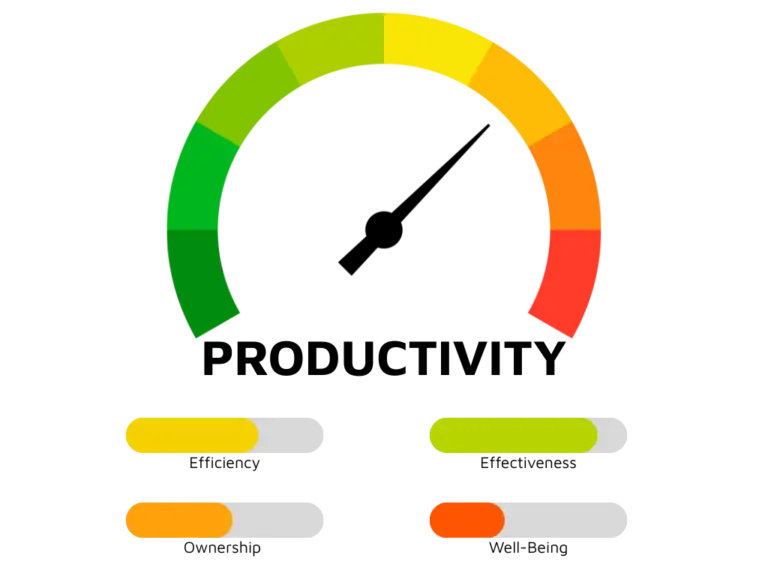
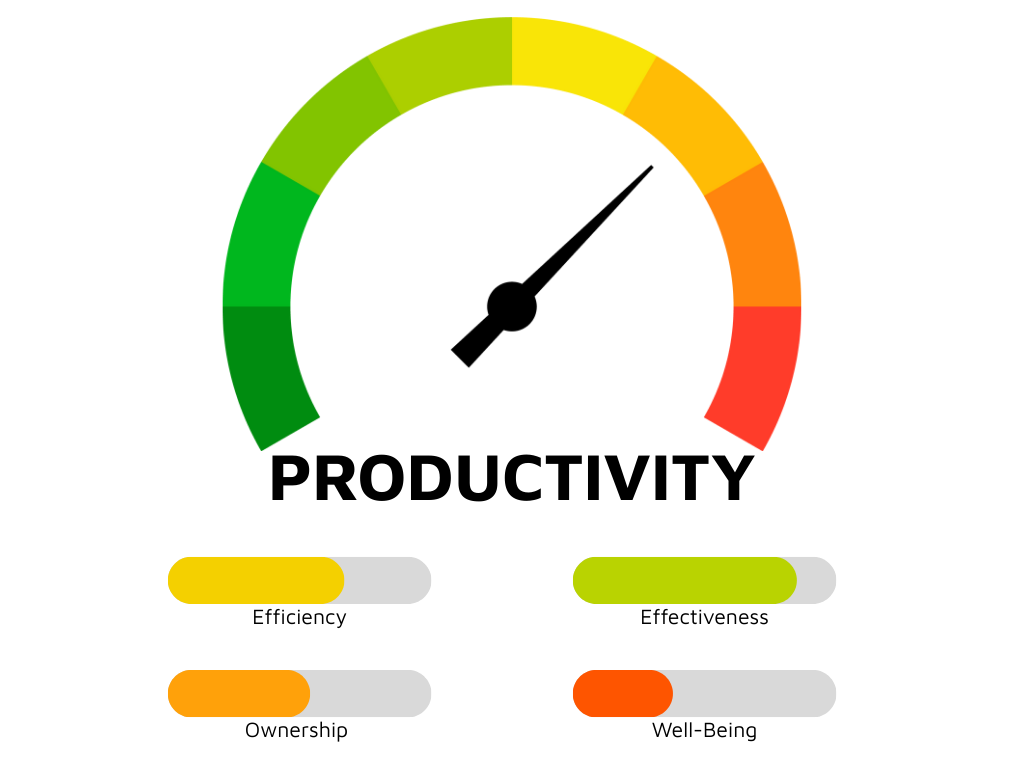
High Performer Flight Risk Assessment
Are your best team members considering leaving?

Why High Performers Quit (Before You Notice)
From the outside, stability looks safe, but for top performers, it feels like standing still. When projects repeat, responsibilities stay the same, and promotions are vague, high performers interpret this as a ceiling on their growth.
Leaders often confuse “they never complain” with “they are satisfied,” yet high performers typically quietly explore the market long before they raise a concern. As a result, why high performers quit is often simple: they no longer see a future they are excited to grow into.
2. Over‑reliance without real recognition
High performers become the default problem solvers, the people who “will get it done no matter what.” Over time, they inherit fire‑drill projects, weekend emergencies, and extra responsibilities that others avoid.
However, if this extra load is not matched with visibility, rewards, or expanded decision‑making power, it feels like exploitation rather than trust. That imbalance is a major reason why high performers quit: the equation between effort and recognition no longer feels fair.
3. Poor leadership and broken trust
Research consistently shows that a large share of voluntary turnover stems from poor management and leadership behaviour. High performers expect clarity, feedback, and honesty from their leaders, not micromanagement or constant reprioritization.
When leaders avoid difficult conversations, shift goals without context, or fail to protect their top talent from organizational chaos, trust erodes. Over time, the employee turnover rate for high performers becomes a mirror of leadership quality more than a function of compensation.
4. Burnout from unsustainable workload
High performers often tolerate heavy workloads for a while because they care about results and do not want to let the team down. However, when “temporary” crunch time becomes the permanent normal, they slide toward burnout.
Burnout is not always visible as dramatic exhaustion; it sometimes appears as detachment, reduced initiative, and quiet resentment. When rest, resources, and boundaries never materialize, why high performers quit is obvious to them, even if leadership only sees “sudden” resignations.
5. Misalignment with values and impact
Top performers want their work to matter. When strategy shifts constantly, promises to customers are broken, or company values appear only in slide decks, they question whether they can still be proud of what they deliver.
If they no longer believe in the direction of the organization, even generous compensation will not hold them. In these cases, the employee turnover rate is not a “talent problem” but a strategic alignment problem at the top.
What the employee turnover rate hides
Employee turnover rate is often presented as a single percentage, but that simplicity can be dangerous. A team can have a “healthy” global turnover number while silently losing exactly the people it cannot afford to lose.
Why you must isolate high performer turnover
Measuring overall turnover without segmenting high performers, critical roles, and emerging talent blurs your real risk. A targeted metric, such as “turnover rate for highest performers,” helps you see whether your best people are leaving at a higher rate than the rest of the organization.
For example, the turnover rate for highest performers can be calculated as: Turnover rate for highest performers = (highest performers that left ÷ total high performers) × 100.
Tracking this number over time highlights whether retention for your top talent is improving or deteriorating, even if overall employee turnover rate appears stable.
The hidden financial cost
Losing a high performer affects more than salary; it hits productivity, customer relationships, and team morale. Studies show that voluntary turnover costs can range from a significant fraction of annual salary up to multiple times the role’s compensation once lost knowledge and ramp‑up time are included.
When you multiply this cost by multiple high performer departures, the business case for early intervention becomes obvious. Preventing just one or two regretted exits can pay for robust retention and development programs many times over.
Early warning signs your best people might leave
Behavioural signs in meetings and day‑to‑day work
They speak less in meetings, stop challenging assumptions, and limit contributions to “safe” updates. They agree to everything, stop pushing back on unrealistic timelines, and move into quiet compliance. They avoid long‑term commitments (“Let me think about it”) and are less willing to own new strategic initiatives.
These are often protective behaviours: they conserve energy, reduce emotional investment, and keep options open in case they decide to resign. When several of these show up together, your high performer flight risk increases.
Performance and engagement signals
Slight decline in quality or speed, especially on work they previously cared about deeply. Reduced curiosity about “what’s next,” fewer requests for feedback, and less engagement in development conversations. Increased interest in remote work, flexible arrangements, or side projects that offer growth outside the company.
None of these signals alone prove they will leave, but together they reveal a shift from “I am building a future here” to “I am keeping my options open.” That is the moment where targeted leadership action can still change the story.
How to reduce the employee turnover rate of high performers
Knowing why high performers leave is only useful if it leads to specific practices that keep them engaged, challenged, and supported. The goal is not to “lock them in” but to make staying the most attractive option.
1. Design visible growth paths, not vague promises
Replace generic “we’ll see next year” messages with concrete growth roadmaps. Clarify which skills, projects, and outcomes unlock new levels of responsibility, influence, and compensation.
In addition, co‑create a 12‑ to 18‑month development plan with each high performer, linking their ambitions to real strategic priorities. This turns growth into a shared project rather than a private hope they must negotiate for every cycle.
2. Balance stretch assignments with support
High performers thrive on challenge as long as they have the resources and decision‑making authority to match. Before assigning a high‑stakes project, agree on scope, success metrics, and what the organization will not ask them to do simultaneously.
Schedule regular check‑ins focused on workload, not just results, and adjust priorities openly when new urgent requests appear. This respects their capacity and signals that leadership cares about sustainability, not just output.
3. Recognize impact in ways that matter
Meaningful recognition for high performers is specific, timely, and tied to impact, not just effort. Publicly connect their work to customer outcomes, revenue, or strategic wins so they see how their contribution moves the needle.
Combine recognition with tangible rewards such as expanded ownership, budget authority, or access to key decision‑makers, not only bonuses. When recognition changes their level of influence, they feel the difference in their day‑to‑day work.
4. Improve leadership quality where it matters most
Retention is strongly correlated with the quality of direct managers. Equip managers of high performers with training in coaching, feedback, and difficult conversations, not just operational reporting.
In addition, track manager‑level indicators such as regrettable turnover, engagement scores, and internal promotion rates to see where leadership is supporting or eroding high performer retention. Use this data to prioritize development and accountability.
Your next step: quantify your risk and act
You cannot fix what you do not measure, and that includes high performer flight risk. Use the High Performer Flight Risk Assessment above to translate gut feelings into a concrete risk profile for your team.
Once you see the early warning signs and understand why high performers leave in your context, schedule focused conversations with your top people: ask about growth, workload, and what would make staying the obvious choice for them. Reducing your employee turnover rate for high performers starts with one honest discussion at a time, before resignation letters ever appear.