

In most companies, the org chart still looks like a pyramid. Titles sit neatly at the top. Promotions are treated like proof you’re finally “ready” to lead.
But that’s not how leadership actually works anymore.
Today’s work is messy, fast, and constantly changing. Projects cut across teams. Information moves in Slack and chats, not memo chains. The people who really move things forward are often the ones without formal titles, the ones quietly leading from the trenches.
If you’re an individual contributor or early‑career professional wondering how to be a leader without a title, this article is for you. You don’t have to wait for a promotion to start leading. In fact, if you wait, you’re already behind.
In a recent conversation, leadership veteran David Graddy, with over 40 years of experience across industries, outlined a simple, honest path to developing leadership skills, no matter where you are. His story shows how leadership can start on a stockroom floor and grow into a career of impact.
Let’s walk through how to lead from the trenches without overstepping, burning bridges, or pretending to be something you’re not.
Why Leadership No Longer Belongs Only to People With Titles
There was a time when leadership mostly flowed top‑down. You waited for someone to hand you authority, then you used that title to get work done.
That world is fading.
Today:
- Teams are flatter and more cross‑functional.
- Work is project‑based, not just role‑based.
- Communication is public and fast, your behavior is visible to the whole org, not just your boss.
If you wait for a title before you act like a leader, three things happen:
- You miss chances to build real influence.
- Others with less experience but more initiative pass you.
- When the promotion conversation finally happens, there’s no evidence you already lead.
Leadership now is less about where you sit and more about how you show up.
What It Really Means to Be a Leader Without a Title
David’s story starts in a place that doesn’t sound glamorous at all: the back room of a Target store.
As a college student, he joined the stocking crew, moving boxes, filling shelves, doing the kind of work nobody brags about on LinkedIn. But instead of just doing the bare minimum, he started asking questions:
- Why do we stock this way?
- Could this process be faster?
- What’s causing the same problems to repeat every week?
He began suggesting small improvements. Nothing flashy, just practical fixes that made everyone’s job easier. Before long, his manager invited him into more conversations. Eventually, David was promoted to assistant department manager.
Notice the order:
First he acted like a leader, then he was given the title, not the other way around.
That’s what leading from the trenches looks like:
- You see the reality on the ground better than anyone.
- You care enough to improve it.
- You help others win, not just yourself.
As John C. Maxwell explains in his framework on the 5 Levels of Leadership, you don’t jump straight to influence just because you get a title.
One practical productivity email every week
Human productivity for the AI era.
Practical ideas for sharper decisions, stronger focus and less operational waste.
No spam. Unsubscribe whenever you like.
Uncover Your Productivity Score Before It Costs You
The Learner → Doer → Mentor Path to Leadership
To make this practical, David uses a three‑phase path:
- Learner
- Doer
- Mentor
You cannot skip phases. When you do, things break.
Phase 1 – Learner: Master Your Craft Without Shortcuts
In the learner phase, your only job is to truly understand the work.
This is where many ambitious people get impatient. They want to jump straight into strategy, visibility, and “leadership opportunities”, often before they’re competent in the basics.
David’s warning is clear: when you shortcut the learner phase, you pay the price later.
Being a strong learner looks like:
- Knowing your tools, systems, and processes cold.
- Asking questions that show curiosity, not ego.
- Owning your mistakes and fixing them quickly.
- Documenting what you’re learning so others can use it.
If you’re not sure whether you’re still a learner, ask yourself: Would I ask me for help on this topic? If the answer is “not yet,” stay in learner mode a bit longer.
Phase 2 – Doer: Become the Go‑To Problem Solver
Once you’ve built competence, you shift from learner to doer.
This is where you start to look like a leader without a title because you:
- Take initiative instead of waiting to be told.
- Volunteer to tackle annoying, recurring problems.
- Become the person teammates ping when things go sideways.
In David’s Target days, this looked like spotting stocking inefficiencies and quietly fixing them. On a modern team, it might look like:
- Cleaning up a broken reporting process.
- Owning the prep for a recurring meeting so it actually runs well.
- Improving documentation so new hires ramp faster.
You’re still “just” an IC on paper. But in reality, you’re acting like a stability anchor for the team.
If you’re learning how to be a leader without a title, one of the simplest ways to stand out is by planning your week like a manager. This guide on how to plan the week will help you stay consistent instead of just reacting to whatever shows up.
Phase 3 – Mentor: Help Others Win Before You Get the Title
The last step is where your leadership really compounds: you become a mentor.
You don’t need direct reports to mentor. You can:
- Help a new teammate understand unwritten rules.
- Share the systems that made your own work more effective.
- Offer feedback that’s kind, specific, and useful.
Mentoring is what separates someone who’s simply good at their job from someone who multiplies their impact.
Formal or informal mentorship accelerates your growth. Research on the benefits of mentoring at work shows it boosts development, confidence, and visibility.
How to Lead from the Trenches Without Stepping on Toes
One of the biggest fears for ambitious ICs is: “If I start acting like a leader, will I look like I’m trying to take my boss’s job?”

You can avoid that by focusing on service, not status. Harvard’s leadership faculty call this leading outside your authority, influence that comes from trust, not job titles.
1. Be Ridiculously Competent at Your Current Role
The fastest way to lose credibility is to start giving direction when your own work is shaky.
Before you worry about influence, make sure you:
- Hit deadlines consistently.
- Deliver clean, reliable work.
- Follow through on what you say you’ll do.
Competence is your baseline for leadership without a title. Without it, everything else feels like posturing.
2. Support Your Teammates and Make Others Look Good
Leaders aren’t just known for being good, they’re known for making other people good.
That can be as simple as:
- Offering help when a teammate is swamped.
- Sharing context instead of hoarding information.
- Calling out others’ contributions in front of your manager.
This is where your communication matters. Weak, hedgy language can quietly kill your credibility. If you want to sharpen how you speak up in meetings and messages, check out Weak Communication Phrases Killing Credibility.
3. Volunteer for Unglamorous Work and New Opportunities
Titled leaders don’t get to pick only the shiny projects. Neither do trench leaders.
Look for chances to:
- Take on the boring but important tasks nobody wants.
- Raise your hand for cross‑team projects where you can learn.
- Own follow‑through on action items when everyone else is quiet.
This is how you lead from where you are, not by demanding authority, but by consistently stepping into gaps.
4. Communicate Like a Leader, Not a Critic
Leading without a title means you often influence across and up, not down.
That requires:
- Framing ideas around team outcomes, not your personal preferences.
- Asking questions instead of declaring verdicts.
- Giving feedback privately and respectfully.
You’re not there to prove you’re smarter than everyone. You’re there to help the team win.
The Five Levels of Leadership (and Where You Are Now)
David also referenced John Maxwell’s five levels of leadership, which explain why some leaders have deep influence while others have only a job title.
A simplified version:
- Position – People follow you because they have to. (Title only.)
- Permission – People follow you because they want to. (Relationships.)
- Production – People follow you because you get results.
- People Development – People follow you because you help them grow.
- Pinnacle – People follow you because of who you are and what you represent over time.
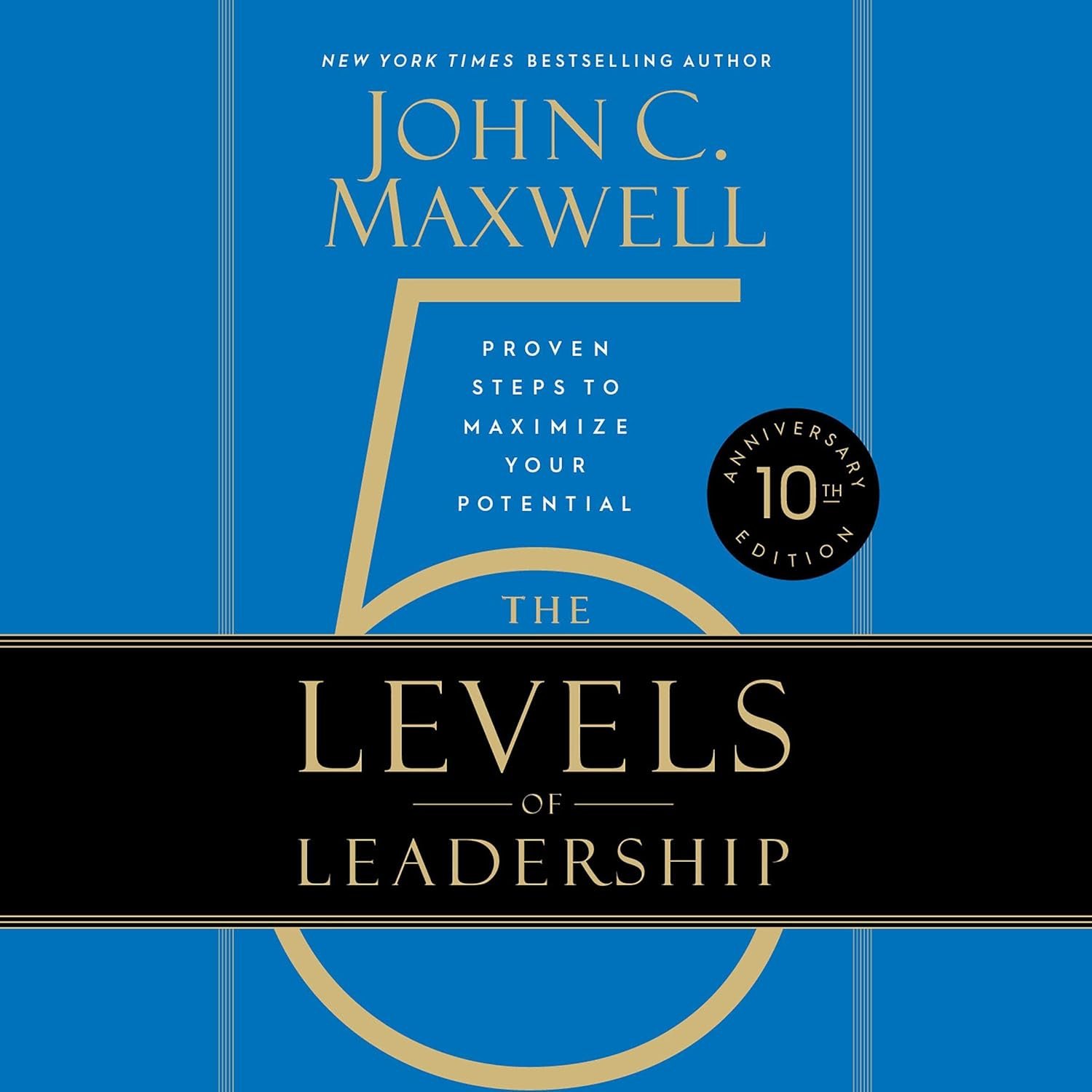
Most managers think they’re higher on this ladder than they really are. Many are still at position, they rely on the org chart, not genuine influence.
The beauty of leading without a title is that you start building permission, production, and people development long before you ever get positional authority.
Ask yourself:
- Do people come to me for help and context? (Permission)
- Do I have a track record of shipping meaningful work? (Production)
- Are there people who can point to ways I’ve helped them grow? (People development)
That’s real leadership, title or not.
Common Mistakes Ambitious ICs Make on Their Way Up
Trying to grow into leadership without a title is powerful, but it’s also easy to get wrong.
Here are a few traps David sees ambitious professionals fall into.
1. Trying to Skip the Learner Phase
You can’t coach others on a game you barely know how to play.
If you find yourself chasing visibility, speaking over others, or volunteering to “own strategy” before you’ve owned execution, you’re probably trying to skip steps.
Go back to learner mode. Master the fundamentals. It will make you a better leader later.
2. Acting Like a Boss Instead of a Leader
Acting like a leader without a title does not mean:
- Overruling your manager in front of others.
- Giving orders to peers.
- Copying leadership buzzwords you heard in a podcast.
It means:
- Bringing solutions, not just problems.
- Owning your part of the work.
- Asking, “How can I help?” more often than, “Why didn’t they…?”
3. Confusing Visibility With Vanity
Yes, people need to see your work. But chasing attention for its own sake backfires.
Instead of obsessing over credit, focus on:
- High‑quality work that clearly moves the needle.
- Sharing clear, concise updates.
- Making your manager’s life easier.
Visibility should be a by‑product of impact, not the goal.
4. Burning Out by Saying Yes to Everything
When you start acting like a leader without a title, people notice, and suddenly, everyone wants your help.
If you say yes to everything, you’ll:
- Dilute your impact.
- Quietly build resentment.
- Signal that your time isn’t valuable.
Plan your weeks with intention so you know what you can actually take on. If you need a system for that, this guide is a great place to start: How to Plan the Week.
A 30‑Day Plan to Start Leading Without a Title
You don’t need a five‑year roadmap. Start with 30 days.
Week 1 – Deepen Your Learner Phase
- List the 3–5 areas of your role where you still feel shaky.
- Ask a peer or your manager for resources or examples.
- Shadow someone who does that part of the job well.
- Capture what you learn in a simple doc or note.
Week 2 – Become the Go‑To Person for One Problem
- Pick a recurring issue that annoys your team.
- Volunteer to own it for a month.
- Talk to the people closest to the problem and understand the root causes.
- Propose a simple experiment to improve it and run it.
Week 3 – Mentor Someone on What You’ve Already Mastered
- Find a teammate or new hire who’s a step behind you in one area.
- Offer a short 30‑minute session to walk them through how you approach that work.
- Share your notes, templates, or checklists.
- Ask them what else would help.
Week 4 – Ask for Feedback and Align With Your Manager
- Share what you’ve done over the last three weeks with your manager.
- Ask: “Where do you see me on the learner/doer/mentor path?”
- Ask: “What would leadership without a title look like in this team over the next 6–12 months?”
- Listen without defensiveness, and adjust your focus.
By the end of these 30 days, you won’t just feel more like a leader; there will be evidence in how you work, how others experience you, and how your manager talks about you.
Summary: Lead From Where You Are (and Keep Growing)
You don’t have to wait for a promotion to start leading. In fact, the most credible leaders are usually those who led well before they held the title.
From David Graddy’s journey and decades of experience, you can pull a simple, honest roadmap for how to be a leader without a title:
- Start as a Learner: master your craft and refuse shortcuts.
- Grow into a Doer: become the go‑to problem solver who stabilizes the team.
- Evolve into a Mentor: help others grow, even without direct reports.
- Lead from the trenches with competence, humility, and service.
- Avoid shortcuts, vanity, and “acting like the boss” before you’ve built real influence.
If you keep showing up this way, the title usually becomes a formality.
Want Help Staying on the Path?
If you’re serious about becoming a leader from where you are, not someday, but now, you’ll need ongoing ideas, prompts, and systems you can actually use at work.
That’s exactly what I share in my newsletter.
👉 Get practical insights on leadership, communication, and modern work, straight to your inbox.
Sign up for the newsletter here.
You bring the willingness to lead from the trenches. The rest, you can learn on the way.